Zara Schmitt · 29 October 2026
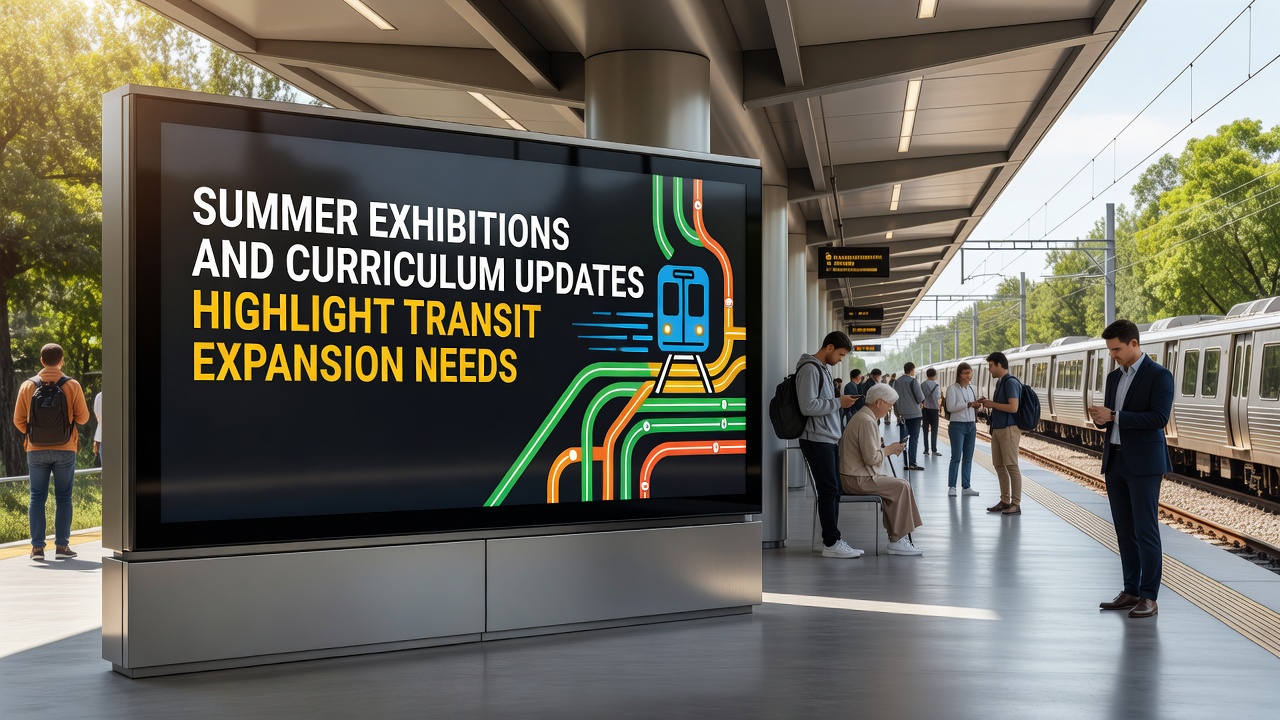
Summer Exhibitions and Curriculum Updates Highlight Transit Expansion Needs
Across multiple regions summer exhibitions have drawn record attendance this season while schools roll out curriculum updates that emphasize hands-on learning and off-site visits, yet transportation gaps continue to limit participation for many families and students.
Exhibition Growth and Access Patterns
Museums and cultural institutions report increased visitor numbers during the summer months because new temporary shows cover topics from climate science to regional history, and these events often run alongside school holiday schedules so families can attend together, but data from transportation surveys show that limited bus routes and infrequent rail connections prevent residents in outer districts from reaching central venues on a regular basis.
Organizers note that peak days see lines forming early while evening sessions attract working parents, and yet the same institutions observe lower turnout from neighborhoods more than five kilometers away where service intervals exceed thirty minutes during off-peak hours.
Curriculum Shifts Drive New Demands
School districts have introduced updated lesson plans that integrate field studies and museum partnerships into core subjects such as environmental studies and civic education, and these changes require reliable group transportation because class sizes average twenty-five students per outing, yet many districts still rely on aging bus fleets or parent carpools that cannot scale with the added schedule.
Education departments track participation rates through digital sign-up systems and the figures reveal that schools located near frequent transit corridors achieve ninety percent attendance at partner exhibitions whereas those farther out report rates closer to sixty percent even when admission costs remain covered by grants.
Regional Data and Planning Responses
Transportation authorities compile ridership statistics that correlate exhibition calendars with weekday and weekend loads, and analysts find consistent spikes on routes serving cultural districts during exhibition openings, but capacity constraints appear once daily totals exceed the seated and standing limits set by vehicle design standards.
According to the Federal Transit Administration, cities that expanded dedicated shuttle services to cultural sites recorded a twenty-two percent rise in student group travel over two years, while areas without similar additions show flat or declining figures despite growing exhibition programs.
European Commission mobility reports similarly document that integrated ticketing between schools and public networks improves access equity, and those programs allow students in suburban zones to reach urban exhibitions without separate payment steps that add administrative time for teachers.
October 2026 Milestones
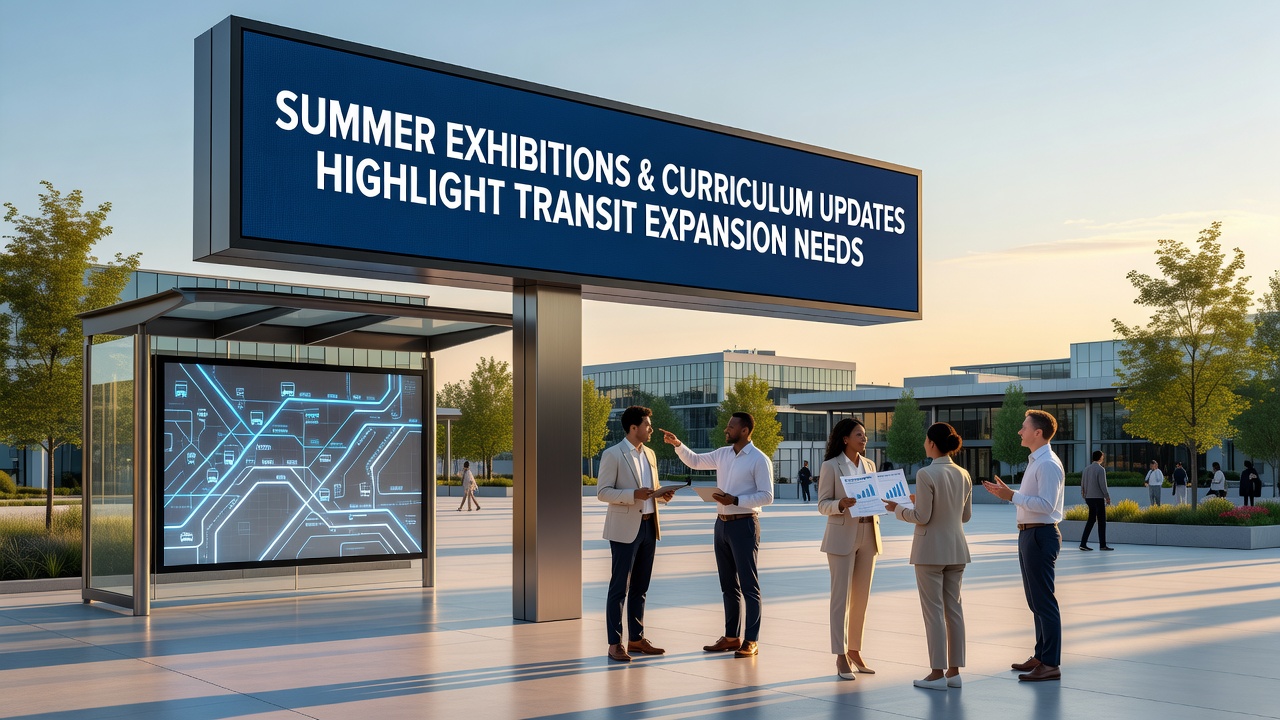
Planning documents released ahead of October 2026 outline pilot expansions that include extended evening service on three key corridors and new bus rapid transit lanes designed to connect residential zones directly to exhibition venues and university campuses, and the timelines align with the start of the next academic year so curriculum field trips can begin under the revised schedules.
Stakeholder meetings scheduled for that month will review preliminary ridership models and adjust headways based on summer exhibition attendance logs, while school boards prepare updated permission forms that reference the improved connections.
Implementation Considerations
Engineers evaluate signal priority systems at major intersections near exhibition sites because current timings create delays for loaded buses during afternoon rush periods, and traffic studies indicate that even small adjustments in cycle lengths could reduce travel times by eight to twelve minutes for routes carrying student groups.
Funding proposals combine local education allocations with regional transit grants, and project timelines list procurement of additional low-floor vehicles as a priority so accessibility standards meet updated curriculum requirements for inclusive outings.
Conclusion
Exhibition calendars and curriculum revisions together create measurable pressure on existing transit infrastructure, and coordinated planning that begins with ridership data and ends with service adjustments offers a pathway to broader participation across districts.