Dana Schwarz · 1 October 2026
Volunteer Recruitment Efforts Draw Inspiration from Local Historical Records and Arts Programming
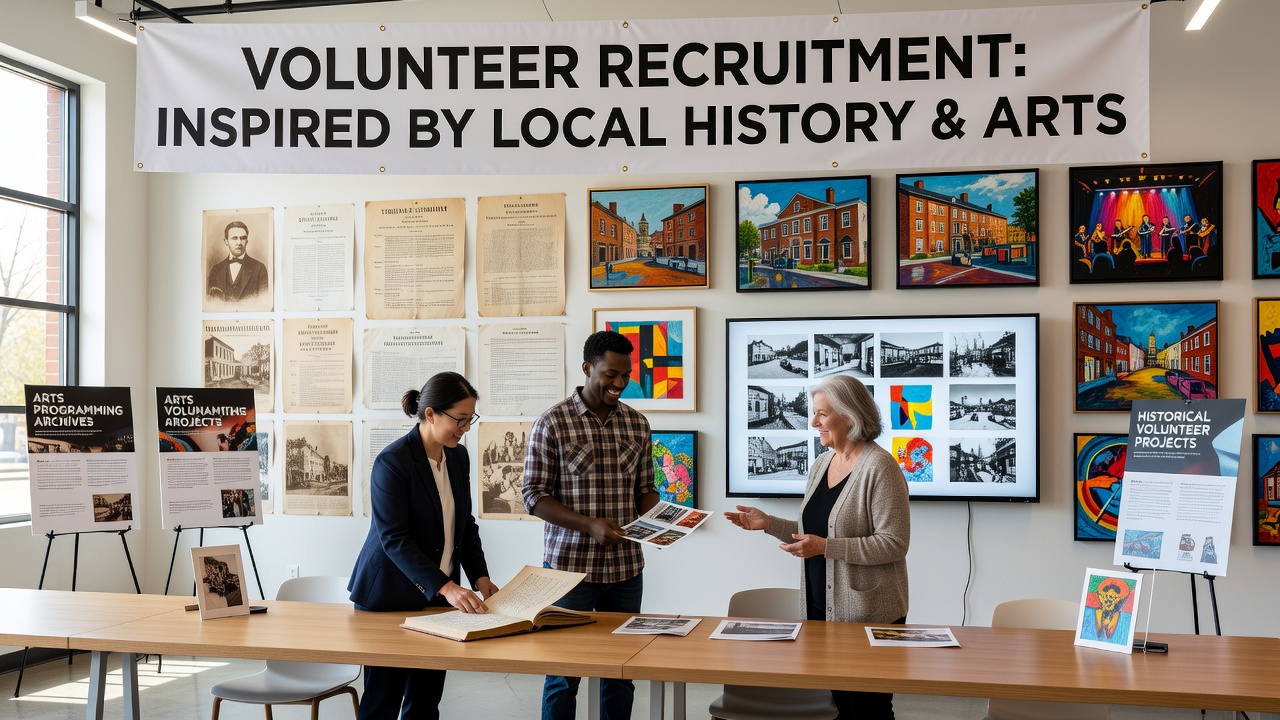
Communities across multiple regions have begun integrating archival materials from local libraries and museums wth structured arts initiatives to expand volunteer participation, and this approach draws directly from preserved records that document past civic engagement patterns while using creative workshops to demonstrate practical roles available today. Records from the 19th and early 20th centuries frequently detail how residents organized mutual aid societies and public beautification projects, and those same documents now serve as reference points for contemporary coordinators who adapt proven strategies to current needs such as park maintenance, literacy tutoring, and event staffing.
Archival Materials Shape Modern Outreach
Local historical societies maintain collections that include membership rosters from earlier volunteer groups, photographs of community clean-up drives, and correspondence between organizers and municipal officials, and these items provide concrete examples that recruitment teams share during information sessions to illustrate long-standing traditions of collective effort. Digitized versions of these documents allow coordinators to create targeted presentations that connect specific past achievements with open positions, adn several programs report higher attendance at orientation meetings when such materials feature prominently in promotional materials. Research conducted by university archives departments indicates that communities which reference their own documented histories experience steadier response rates compared with those relying solely on generic appeals, because prospective participants recognize tangible precedents rather than abstract calls to service.
Arts Programming Bridges Historical Context and Active Roles
Arts-based components complement the archival focus by offering hands-on sessions where participants explore themes from historical records through collaborative projects such as mural design, oral history performances, and community theater pieces, and these activities introduce volunteers to the skills required for ongoing programs like heritage site interpretation and youth mentorship. Coordinators schedule workshops in public libraries and cultural centers during evening hours to accommodate working adults, and instructors incorporate excerpts from original documents to ground the creative exercises in verifiable local events. Data collected by regional arts councils shows that attendees of combined history-and-arts sessions complete initial volunteer applications at rates approximately 30 percent higher than those who attend standard information meetings alone, according to tracking maintained by participating organizations.
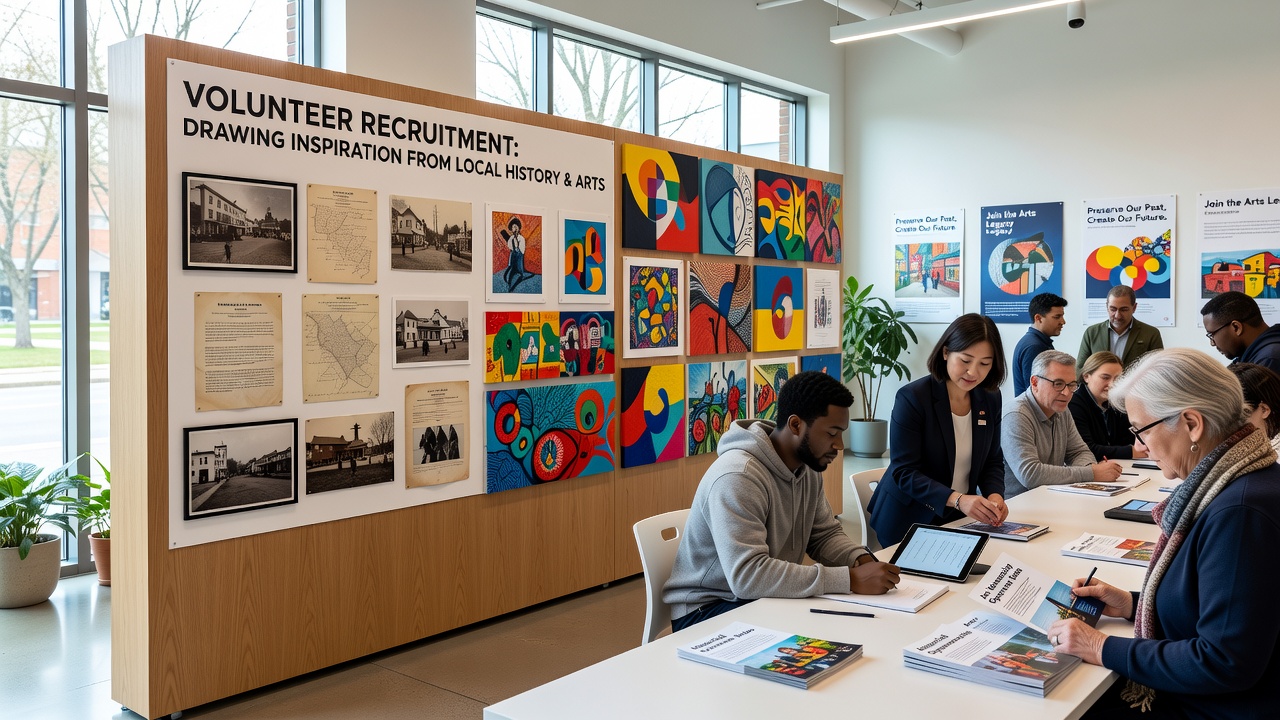
One program operating in a mid-sized city launched its pilot series in October 2026 by pairing a restored ledger of 1890s sanitation volunteers with a week-long mask-making and storytelling workshop, and the resulting cohort filled 45 of 50 available slots within the first month. Similar initiatives in other jurisdictions now schedule parallel events each autumn to align with seasonal increases in community programming demand, while maintaining consistent use of primary source materials to maintain authenticity across locations.
Implementation Patterns Across Regions
Organizations in North America, Europe, and Australia have adapted the combined archival-and-arts model to fit local governance structures, and European examples frequently incorporate municipal heritage departments that supply both documents and venue access, whereas Australian groups often partner with state libraries that maintain extensive digitization programs. A study published by the Australian Institute of Health and Welfare examined volunteer retention following arts-integrated recruitment and found sustained participation when initial training referenced documented community traditions, while a separate analysis from the Corporation for National and Community Service in the United States tracked enrollment spikes tied to public exhibitions of historical volunteer photographs. These patterns emerge without centralized mandates, as individual nonprofits and municipal recreation departments independently identify overlapping benefits from blending the two approaches.
Measurement and Ongoing Adjustments
Coordinators track outcomes through standardized sign-up forms that record how participants first learned about opportunities, and responses frequently cite exposure to historical records or participation in arts workshops as decisive factors. Follow-up surveys conducted at three-month and six-month intervals reveal that volunteers introduced through this method maintain involvement at levels comparable to those recruited through longstanding personal networks, and several groups have begun rotating exhibit content to keep archival references current with seasonal project needs. Adjustments continue as new collections become available, allowing programs to refresh examples without altering core recruitment structures.
Conclusion
The integration of local historical records with arts programming continues to expand volunteer recruitment across diverse settings, supported by documented precedents and measurable enrollment patterns. Communities maintain these efforts through partnerships between archives, cultural organizations, and service coordinators, while ongoing data collection guides refinements that align historical examples with present-day requirements. This method provides a replicable framework grounded in existing collections and creative formats rather than novel inventions, and its adoption reflects practical responses to participation trends observed in multiple regions.